Email marketing · 28 September 2026 · 8 min read
Beyond Lists: Choosing Email Marketing That Drives E-commerce Sales for Small Businesses
Discover essential features, e-commerce integrations, and multi-channel strategies for the best email marketing for small business e-commerce. Learn how to…

For small e-commerce businesses, selecting the right email marketing platform isn't just about sending emails; it's about unlocking revenue and building lasting customer relationships. This guide moves past generic comparisons to focus on the specific features and strategies that directly translate into increased sales and customer retention for your online store, helping you find the best email marketing for small business e-commerce.
Why is email marketing still essential for small e-commerce businesses in 2026?
Yes, email marketing remains one of the most effective and highest ROI channels for small e-commerce businesses, enabling direct customer communication and driving sales through targeted campaigns. It provides a direct line of communication with customers, bypassing algorithm changes seen on social media platforms.
- Email consistently delivers a high return on investment (ROI) by converting leads into buyers and retaining existing customers.
- Email marketing platforms like SendCore unify sales channels, allowing for cohesive customer journeys across email, SMS, and web push notifications.
- It's crucial for building brand loyalty and nurturing customer relationships through personalized content and offers, fostering repeat purchases.
- Unlike rented audiences on social media, your email list is an owned asset, giving you full control over communication and messaging.
What essential features should an email marketing platform have to drive e-commerce sales and customer retention?
An effective e-commerce email marketing platform must offer advanced automation, personalization, and user-friendly tools to directly impact sales and enhance customer retention. These features move beyond basic email sending to create a powerful sales engine.
- Drag-and-Drop Editor: Simplifies the creation of professional, on-brand newsletters and campaign emails without needing design expertise. Platforms like SendCore provide intuitive editors for quick and effective campaign design.
- A/B Testing: Allows businesses to optimize subject lines, content, and calls-to-action to maximize engagement and conversion rates. This data-driven approach ensures your emails are always performing at their best.
- Dynamic Product Recommendations: Automatically inserts personalized product suggestions into emails based on browsing history or purchase behavior, increasing relevance and sales. This feature helps customers discover products they're more likely to buy.
- Unique Discount Codes: Generates single-use discount codes for promotions, welcome offers, or abandoned cart incentives, driving immediate purchases and preventing misuse. This provides a powerful incentive for conversion.
- Multi-Channel Automation: Beyond email, look for platforms that integrate SMS and web push notifications for comprehensive customer journeys, including welcome series, abandoned cart recovery, and post-purchase upsells. SendCore, for instance, offers this multi-channel approach.
- Granular Targeting & Segmentation: Features like RFM (Recency, Frequency, Monetary) clusters, real-time tagging, and lookalike segments based on purchase behavior enable highly personalized and effective campaigns. This ensures your messages reach the most receptive audience.
How do e-commerce platform integrations simplify workflow and boost sales for small businesses?
Seamless integration with e-commerce platforms like Shopify and WooCommerce is crucial because it automates data synchronization, streamlines campaign execution, and enables highly targeted marketing efforts that boost sales. This connectivity is the backbone of efficient e-commerce marketing.
- Automated Data Sync: Customer data, purchase history, and browsing behavior are automatically transferred from your e-commerce store to your email marketing platform, eliminating manual entry. This ensures your customer profiles are always up-to-date.
- Triggered Automations: Integrations allow for instant triggers for email and multi-channel campaigns based on specific customer actions, such as a product view, cart abandonment, or a recent purchase. This enables timely and relevant communication.
- Dynamic Product Feeds: Easily pull product images, descriptions, and prices directly from your store into your emails, ensuring accuracy and saving time. This keeps your email content fresh and consistent with your storefront.
- Personalized Experiences: With integrated data, platforms can segment customers based on their exact interactions with your store, enabling hyper-personalized product recommendations and offers. This level of personalization drives higher engagement and conversions.
- Reduced Operational Overhead: Automating these processes frees up valuable time for small business owners, allowing them to focus on growth and strategy rather than manual data management. SendCore, for example, offers native integrations with Shopify and WooCommerce to simplify these workflows.

Can multi-channel marketing (email, SMS, push notifications) significantly increase conversions for e-commerce?
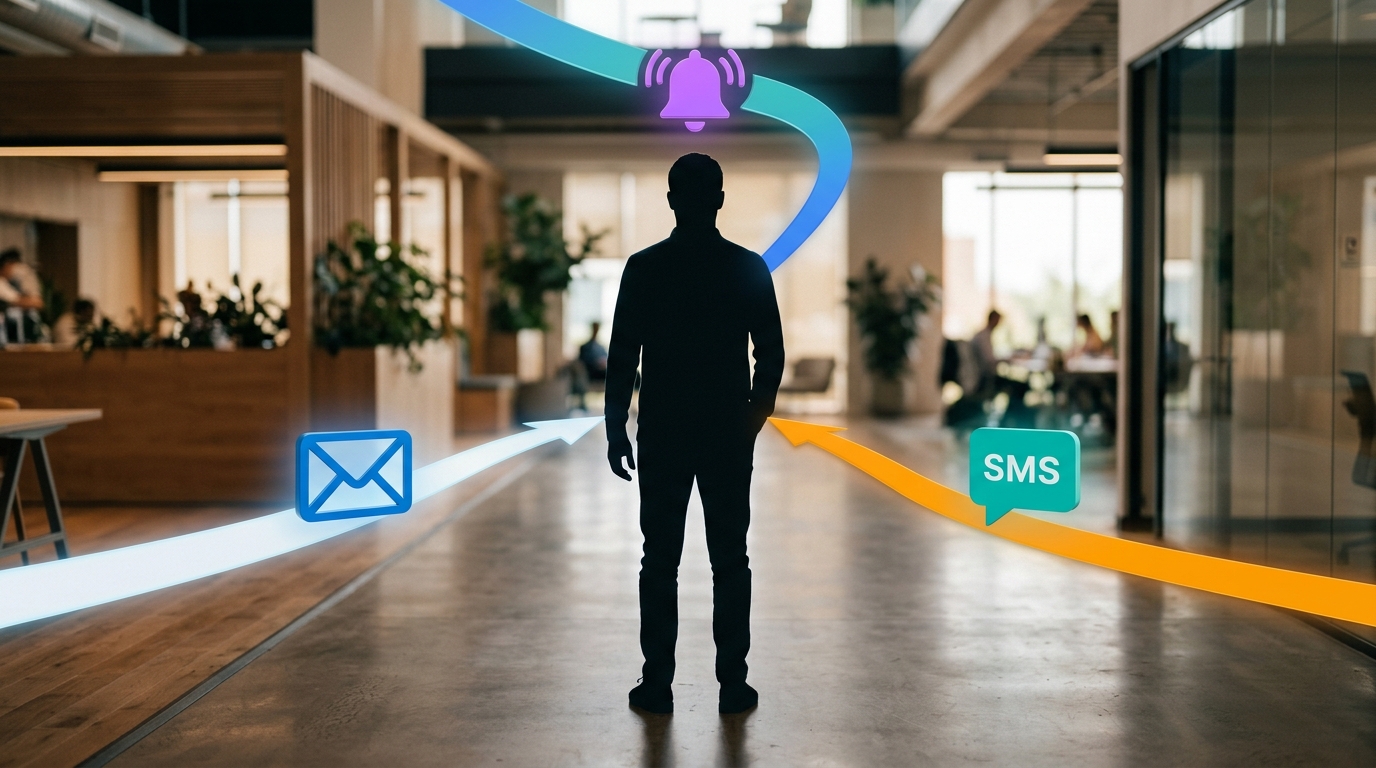
Platforms like SendCore offer integrated multi-channel marketing across email, SMS, and web push notifications, which significantly boosts e-commerce conversions by reaching customers through their preferred channels at critical points in their journey. This holistic approach ensures no customer interaction is missed.
- Enhanced Reach and Engagement: Different customers prefer different communication methods. A multi-channel strategy ensures you reach a wider audience and increase engagement rates by meeting customers where they are.
- Timely Notifications: SMS can be used for urgent updates like shipping notifications or limited-time flash sales, while web push notifications can re-engage visitors on your site with personalized offers. This ensures critical messages are seen quickly.
- Abandoned Cart Recovery: Combining email with a timely SMS or web push reminder can dramatically improve abandoned cart recovery rates, capturing lost sales. This layered approach significantly increases the chance of conversion.
- Welcome Series & Onboarding: A multi-channel welcome series can introduce new subscribers to your brand across various touchpoints, building stronger initial engagement. This creates a memorable first impression.
- Post-Purchase Upsells & Cross-sells: Following up a purchase with a personalized email and a complementary SMS offer can drive additional sales and increase customer lifetime value. This strategy nurtures existing customer relationships for future revenue.
- Cohesive Customer Journey: By orchestrating messages across channels, businesses create a seamless and consistent experience, reinforcing brand messaging and driving customers towards conversion. This unified approach builds trust and loyalty.
How can a small e-commerce business scale its email marketing efforts effectively?
For a small e-commerce business, scalability in email marketing extends beyond simply accommodating more contacts; it means the platform can handle increasingly complex automations, sophisticated segmentation, and advanced analytics as your business grows. This ensures your marketing evolves with your success.
- Advanced Automation Workflows: As your business scales, you'll need more intricate automation sequences for different customer segments, product lines, and seasonal campaigns. A scalable platform supports this growing complexity.
- Sophisticated Segmentation: Moving beyond basic lists, scalable platforms offer granular targeting capabilities like RFM clusters, real-time tagging, and lookalike segments to refine your audience as your customer base expands. This allows for hyper-targeted campaigns.
- A/B Testing and Optimization: The ability to continuously test and optimize various elements of your campaigns (from subject lines to automation flows) becomes crucial for maximizing ROI at scale. This ongoing refinement drives better results.
- Multi-Channel Expansion: A scalable platform allows you to seamlessly integrate new channels like SMS and web push notifications as your marketing strategy evolves. This ensures your reach expands with your business.
- Integration with Other Tools: As your tech stack grows, the platform should integrate with CRM, analytics, and other marketing tools to maintain a unified view of your customers. This creates a powerful, interconnected ecosystem.
- Reporting and Analytics: Robust reporting features that provide deep insights into campaign performance, customer behavior, and revenue attribution are essential for informed decision-making as your business expands. This data-driven approach supports strategic growth.
What are the simplest and most user-friendly email marketing options for e-commerce startups, and are there budget-friendly choices?
User-friendliness is paramount for e-commerce startups, often found in platforms with intuitive drag-and-drop editors and pre-built templates, while many providers offer budget-friendly tiers or free plans for businesses with smaller contact lists. Accessibility and affordability are key considerations for new ventures.
- Intuitive Interface: Look for platforms with a clean, easy-to-navigate dashboard that minimizes the learning curve. A straightforward design allows startups to get campaigns running quickly.
- Drag-and-Drop Editors: A visual drag-and-drop editor, like the one offered by SendCore, makes designing professional emails accessible even without technical skills. This empowers small business owners to create stunning campaigns independently.
- Pre-built Templates: Access to a library of mobile-responsive templates specifically designed for e-commerce saves time and ensures a polished look. These templates provide a professional foundation for your communications.
- Guided Setup and Support: Platforms that offer strong onboarding resources, tutorials, and responsive customer support are invaluable for startups. Good support can significantly ease the learning process.
- Tiered Pricing Models: Many email marketing services offer tiered pricing based on the number of contacts or emails sent, allowing small businesses to start with a budget-friendly plan and upgrade as they grow. This flexibility is crucial for managing costs.
- Feature-Rich Value: While some platforms offer free plans, evaluating the features included in budget-friendly paid tiers is essential to ensure you're getting the necessary e-commerce specific tools for automation and sales generation. SendCore, for example, focuses on high ROI features even in its core offerings, including AI-assisted content generation to help startups efficiently create compelling messages.
Finding Your E-commerce Email Marketing Partner for Growth
Choosing the best email marketing for small business e-commerce involves looking beyond basic features to platforms that offer deep e-commerce integrations, robust automation, multi-channel capabilities, and granular segmentation. A platform like SendCore, with its focus on email, SMS, and web push notifications, dynamic product recommendations, unique discount codes, and AI-assisted content generation, is designed to directly impact your revenue and customer retention. By investing in a solution that aligns with your specific e-commerce needs and growth aspirations, you can transform your email marketing into a powerful engine for sustained sales and customer loyalty. Explore platforms that offer the tools to build lasting relationships and drive significant ROI for your online store.