Email marketing · 10 September 2026 · 11 min read
E-commerce Customer Segmentation Tools: Unlock Targeted Marketing ROI
Learn what e-commerce customer segmentation tools are, the four main segmentation types, key features to look for, and how to implement segmentation strategies…

In the competitive landscape of e-commerce, understanding your customers is paramount. E-commerce customer segmentation tools are essential software platforms designed to help online businesses divide their customer base into distinct groups based on shared characteristics and behaviors. By enabling highly personalized marketing strategies, these tools are crucial for boosting engagement, conversion rates, and ultimately, your return on investment.
What exactly are e-commerce customer segmentation tools?
E-commerce customer segmentation tools are software solutions that enable online businesses to categorize their customer base into smaller, more manageable groups based on specific attributes. The primary goal of these tools is to facilitate targeted marketing efforts by understanding diverse customer needs and preferences. They move beyond a one-size-fits-all approach to marketing.These powerful platforms collect and analyze customer data from various touchpoints within an e-commerce store. This data can include everything from browsing history to purchase frequency and value. They group customers based on shared characteristics like purchase history, browsing behavior, demographics, or engagement levels with marketing communications.
By doing so, these tools provide invaluable insights that allow businesses to tailor marketing messages, product recommendations, and offers to specific segments. This level of precision is foundational for true personalization, ensuring that every marketing dollar is spent more effectively. Ultimately, e-commerce customer segmentation tools empower businesses to connect with their audience on a deeper, more relevant level.
The Four Main Types of Customer Segmentation
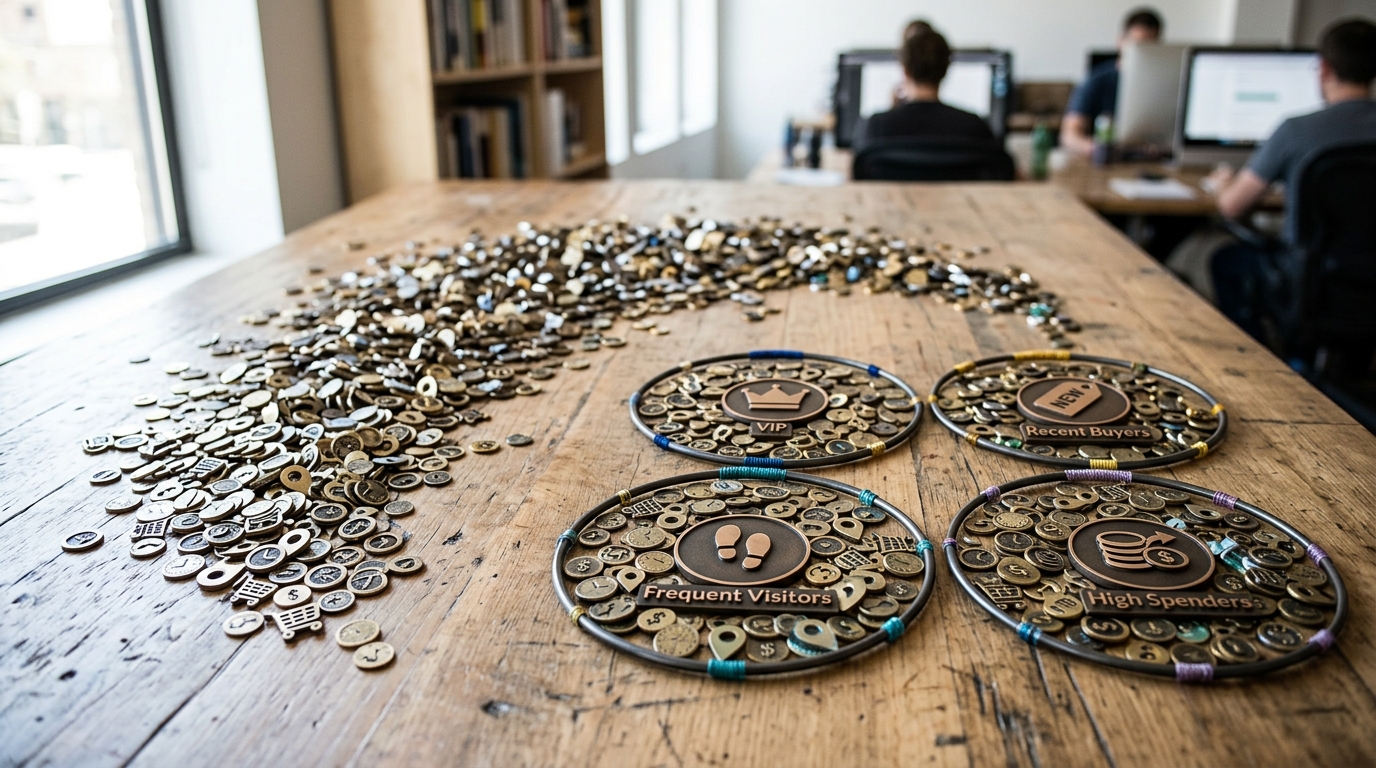
The four main types of customer segmentation are demographic, behavioral, psychographic, and RFM segmentation. Each groups customers by a different kind of information, and most e-commerce segmentation tools let you use them alone or combine them for sharper targeting.
- Demographic segmentation: Groups customers by measurable personal attributes such as age, gender, location, income, or language. It is useful for tailoring product selections, regional promotions, or messaging tone. For example, a clothing store might show winter collections to customers in colder regions while showing lighter items elsewhere.
- Behavioral segmentation: Groups customers by what they do, including pages viewed, products added to carts, purchase history, and responses to emails. It is useful for triggering timely campaigns. For example, shoppers who left items in their carts can receive a reminder, while repeat buyers can receive early access to new products.
- Psychographic segmentation: Groups customers by values, interests, lifestyle, and attitudes. It is useful for shaping brand messaging and content. For example, a store selling outdoor gear might speak to sustainability-minded shoppers with content about eco-friendly materials, and to performance-focused shoppers with technical details.
- RFM segmentation: Scores customers on Recency (how recently they bought), Frequency (how often they buy), and Monetary value (how much they spend). It is useful for identifying best customers, at-risk customers, and lapsed buyers. For example, customers with high scores in all three areas might receive loyalty rewards, while those who have not purchased in a long time might receive a win-back offer.
Some frameworks list geographic segmentation separately, but it is often treated as part of demographic segmentation. In practice, the strongest segments blend types, such as high-value RFM customers who also share a particular interest.
Why should my e-commerce business use customer segmentation tools?
E-commerce customer segmentation tools are crucial because they empower businesses to deliver highly relevant and personalized messages, leading to increased customer engagement, higher conversion rates, and a significantly improved return on investment. This targeted approach ensures marketing efforts resonate more deeply with individual customer needs. Implementing these tools can transform your marketing strategy and overall business performance.There are numerous compelling reasons why your e-commerce business should leverage these powerful tools:
- Enhanced Personalization: Deliver messages, promotions, and product recommendations that are highly relevant to each customer segment, making customers feel understood and valued.
- Improved Customer Experience: Create more satisfying shopping journeys by understanding and catering to specific customer preferences and pain points.
- Higher Conversion Rates: Targeted campaigns are inherently more effective than generic ones, leading to a greater likelihood of purchase when offers align with needs.
- Increased Customer Lifetime Value (CLTV): By nurturing relationships with personalized content and offers, businesses can foster loyalty and encourage repeat purchases over time.
- Optimized Marketing Spend: Allocate marketing resources more efficiently by focusing on segments most likely to respond, thereby reducing wasted ad spend.
- Better ROI: Achieve a higher return on marketing investments through more effective, engaging, and precisely targeted campaigns that drive tangible results.
Common Segmentation Strategies and Frameworks
The most common segmentation strategies for e-commerce are RFM analysis, cohort analysis, lifecycle stage segmentation, and value-based segmentation. Each offers a practical way to turn raw customer data into groups you can act on.
- RFM analysis: Score each customer on recency, frequency, and monetary value, then group them into tiers. For example, a store might create a "champions" group of recent, frequent, high-spending buyers for VIP perks, and an "at risk" group of formerly active buyers for a re-engagement campaign.
- Cohort analysis: Group customers by a shared starting point, such as the month they first purchased or the channel that acquired them, and compare how each group behaves over time. For example, you might compare repeat purchase patterns of customers acquired through a seasonal sale with those who joined through a newsletter.
- Lifecycle stage segmentation: Group customers by where they are in their relationship with your brand, such as visitor, subscriber, first-time buyer, repeat buyer, or lapsed customer. For example, first-time buyers might receive onboarding and care tips, while lapsed customers receive a win-back message.
- Value-based segmentation: Group customers by the value they bring to the business, such as total spend, average order value, or estimated lifetime value. For example, high-value customers might get early access and personal service, while lower-value customers might receive offers designed to increase basket size.
To plan your approach, start with a clear goal, such as reducing churn or raising average order value. Then choose the framework that matches it, confirm you have the data to support it, and start with a few segments before expanding. Review results regularly and adjust segments as customer behavior changes.
What key features should I look for in e-commerce customer segmentation tools?
Essential features in an e-commerce customer segmentation tool include robust data collection, advanced segmentation criteria, multi-channel marketing capabilities, and seamless integration with existing e-commerce platforms. These functionalities ensure businesses can effectively identify, target, and engage different customer groups with precision. Choosing the right tool requires evaluating its comprehensive capabilities.When selecting an e-commerce customer segmentation tool, consider these critical features:
- Granular Targeting Options: Look for capabilities like RFM (Recency, Frequency, Monetary) clusters, real-time tagging, and the ability to create lookalike segments based on comprehensive purchase behavior and activity. This allows for highly specific audience definitions.
- Multi-Channel Automation: Tools should support automated campaigns across various channels such as email, SMS, and web push notifications. This is vital for orchestrating complete customer journeys, including welcome series, abandoned cart recovery, and post-purchase upsells.
- Native E-commerce Integrations: Seamless connectivity with popular e-commerce platforms like Shopify and WooCommerce is vital for accurate data flow, real-time updates, and efficient campaign execution. Integrations prevent data silos and streamline operations.
- AI-Assisted Content Generation: Features that leverage artificial intelligence to help create personalized and engaging content for different segments can significantly boost efficiency and content relevance. This saves time and improves message quality.
- A/B Testing: The ability to test different messages, offers, and automation flows is crucial for optimizing campaign performance for each segment. Continuous testing leads to improved results and better understanding of customer preferences.
- Dynamic Content Capabilities: Support for dynamic products and unique discount codes allows for further personalization of offers based on specific segment data. This ensures that customers see exactly what is most relevant and appealing to them.
How do e-commerce customer segmentation tools process customer data?
E-commerce customer segmentation tools process customer data by collecting information from various online interactions, analyzing this data to identify distinct patterns, and then grouping customers based on predefined or custom criteria. This systematic approach allows for the creation of targeted marketing campaigns that resonate with specific customer needs. The process is continuous and adaptive, adjusting as customer behavior evolves.The data processing typically follows several key stages:
- Data Collection: The tool gathers information from a wide array of customer actions. This includes website visits, product views, purchases, items added to carts, email opens, and clicks on marketing messages. This comprehensive collection builds a rich customer profile.
- Data Analysis: Once collected, the data is processed to uncover behavioral trends, purchase patterns, and underlying customer attributes. Algorithms often play a role in identifying correlations and significant data points that inform segmentation.
- Segment Creation: Using these insights, the tool applies algorithms and user-defined rules to form distinct segments. Examples include 'high-value customers,' 'abandoned cart users,' 'new subscribers,' or 'loyal buyers.' These segments are dynamic and reflect current customer states.
- Real-time Tagging: Many advanced tools offer real-time tagging, which automatically updates customer profiles and segment memberships based on new activities or changes in behavior. This ensures segments are always current and responsive to customer actions.
- Integration with Marketing Channels: Finally, the segmented data is fed into various marketing platforms, such as email, SMS, and web push notification systems. This integration allows for the triggering of automated or manual campaigns that are specific and highly relevant to each customer group.
Example: Marketing Automation Platform Capabilities
A marketing automation platform enhances e-commerce customer segmentation by turning segments into action through targeted email, SMS, and web push campaigns. The capabilities below illustrate what to expect from this category of tool.
- Granular targeting: RFM clusters, real-time tagging, and lookalike segments built from purchase behavior and activity.
- Multi-channel automation: Automate critical customer journeys across email, SMS, and web push for flows like welcome series, abandoned cart recovery, and post-purchase upsells.
- E-commerce integrations: Native connections to platforms such as Shopify and WooCommerce for smooth data flow.
- Content and optimization tools: AI-assisted content generation, A/B testing, drag-and-drop editors, dynamic products, and unique discount codes.
Advanced Granular Targeting Capabilities
Advanced targeting goes beyond basic demographic filters by using deep customer data to build meaningful segments. RFM clusters identify the most valuable customers based on the recency, frequency, and monetary value of their purchases. Real-time tagging continuously updates customer profiles as they interact with the store, keeping segments fresh and relevant. Lookalike segments extend reach to new audiences that mirror the characteristics of your best customers, based on comprehensive purchase behavior and activity.
Multi-Channel Automation for Segmented Campaigns
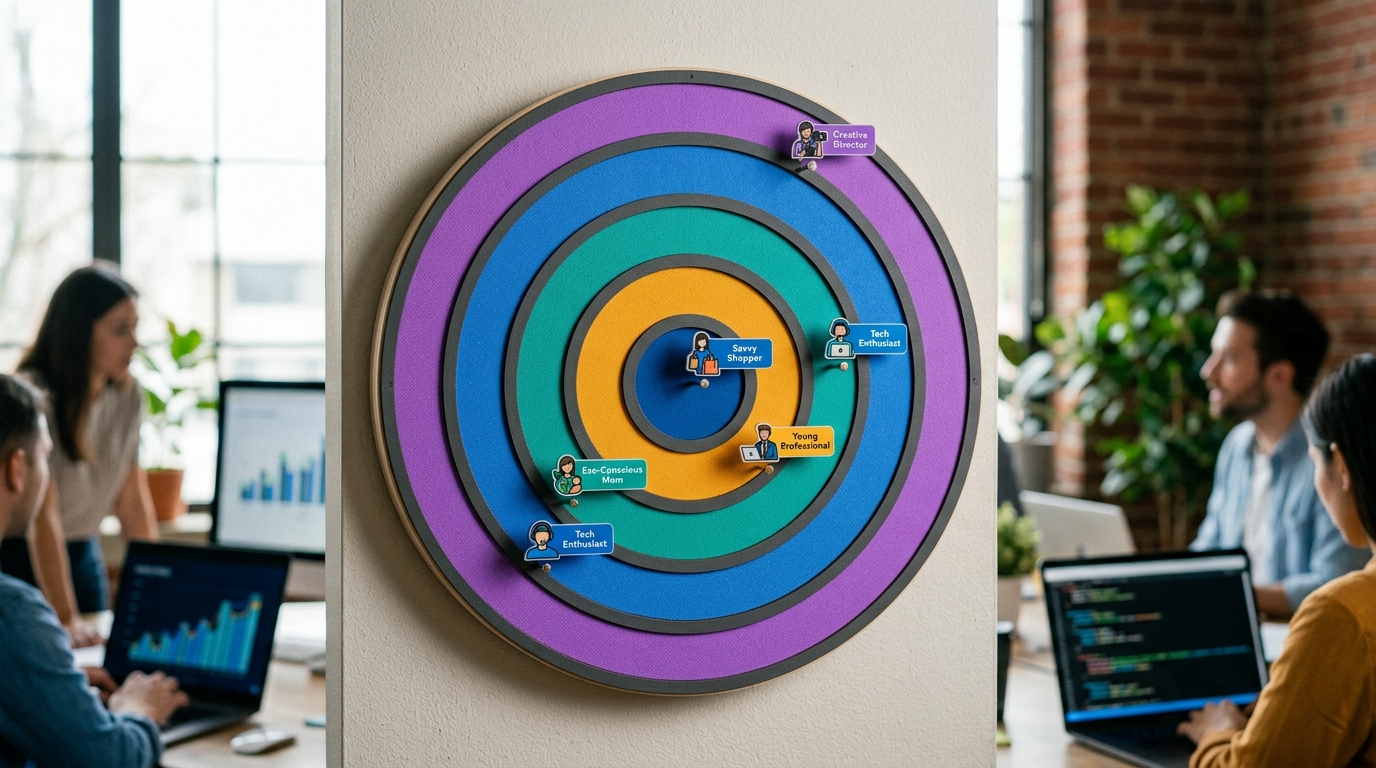
Multi-channel automation means setting up campaigns that run automatically across email, SMS, and web push notifications, triggered by customer behavior or segment membership. Common use cases include a welcome series for new subscribers, abandoned cart recovery to recapture lost sales, and post-purchase upsells or cross-sells to boost customer lifetime value. Each flow can be customized per segment, so the message fits the recipient's stage in the customer journey and their profile. Coordinating channels also helps avoid over-messaging the same person.

Seamless E-commerce Integration
Native e-commerce integrations matter because segmentation is only as good as the data behind it. Connections with platforms like Shopify and WooCommerce allow purchase history, browsing activity, and cart contents to flow automatically between the store and the segmentation tool. This supports accurate, real-time segments and timely campaign triggers without manual data transfers. By keeping everything in sync, integrations prevent data silos and give marketers a unified view of each customer.
Getting Started with Customer Segmentation
Getting started with customer segmentation means defining a clear goal, choosing the segmentation types that support it, and using a tool that connects to your store data. E-commerce customer segmentation tools are no longer a luxury but a necessity for any online business aiming for sustainable growth and a competitive edge. By helping you understand, segment, and engage customers on a personal level, they support higher conversion rates, stronger loyalty, and better returns on marketing investment.
As next steps, review the data you already collect, begin with a few simple segments such as RFM tiers or abandoned cart users, and connect them to automated campaigns. Test messages, measure results, and refine your segments over time as customer behavior changes.