Email marketing · 2 October 2026 · 8 min read
Mastering E-commerce Email Marketing: Choosing Segmentation Tools for Automated Campaigns
Unlock higher ROI with e-commerce customer segmentation tools. Learn to choose, integrate, and use them for personalized email marketing automation, driving…

In the competitive world of e-commerce, generic email campaigns fall flat. Customer segmentation tools e-commerce are no longer a luxury but a necessity, enabling businesses to deliver highly personalized messages that resonate. This guide will help you understand, select, and implement segmentation tools that seamlessly integrate with and significantly boost your e-commerce email marketing automation efforts, driving higher engagement, conversions, and ROI.
What is Customer Segmentation for E-commerce and Why Does It Matter for Email Marketing?
Customer segmentation in e-commerce is the process of dividing your customer base into distinct groups based on shared characteristics, behaviors, or preferences to tailor marketing efforts more effectively. It moves beyond generic blasts to personalized communication, making every email more relevant to the recipient. Segmentation allows e-commerce businesses to understand diverse customer needs, preferences, and purchasing patterns.
For email marketing, it means sending the right message to the right customer at the right time, leading to higher open rates, click-through rates, and conversions. It's crucial for optimizing automated campaigns like welcome series, abandoned cart recovery, and post-purchase follow-ups. Without segmentation, email marketing efforts often result in wasted resources and lower engagement due to irrelevant content.
What Types of Customer Segmentation Drive E-commerce Email Success?
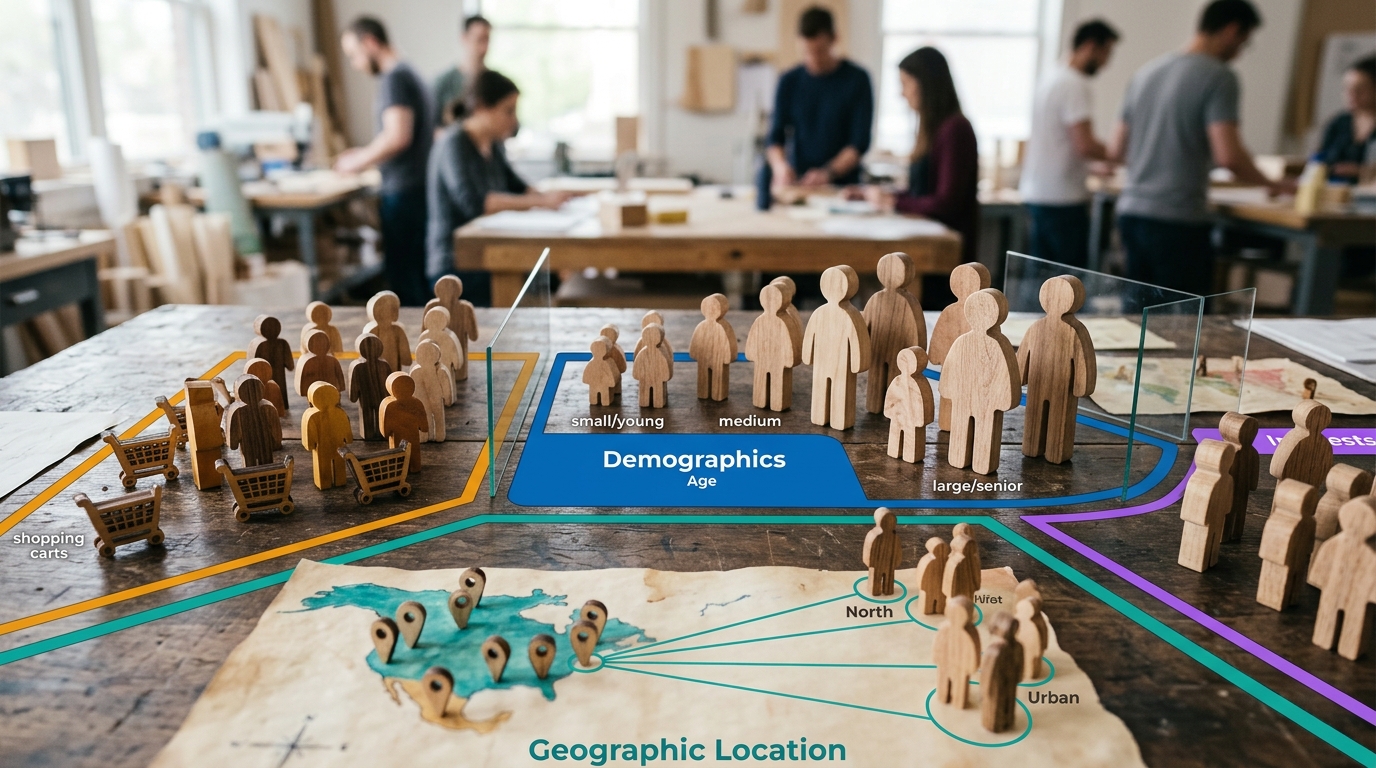
E-commerce customer segmentation typically leverages demographic, geographic, psychographic, and behavioral data, with behavioral segmentation being particularly powerful for email marketing automation. Each type offers a unique lens through which to understand and categorize your audience.
- Demographic Segmentation: Grouping customers by age, gender, income, education, or occupation. This is useful for broad product targeting based on general life stages or economic status.
- Geographic Segmentation: Dividing customers by location, such as country, region, or city. This is relevant for localized promotions, shipping offers, or region-specific product launches.
- Psychographic Segmentation: Based on lifestyle, values, interests, opinions, and personality traits. This helps craft messaging that aligns with customer aspirations, passions, and self-perception.
- Behavioral Segmentation: The most impactful for e-commerce email, categorizing customers by their interactions with your brand. Key behavioral segments include purchase history (first-time buyers, repeat customers, high-value spenders), browsing behavior (viewed specific products, category interests), cart abandonment, email engagement (opens, clicks), and activity levels (recent activity, inactive customers).
RFM (Recency, Frequency, Monetary) clusters are a powerful behavioral segmentation strategy. They identify high-value customers, loyal customers, and those at risk of churn based on their last purchase, how often they buy, and how much they spend. Platforms like SendCore excel at leveraging these advanced behavioral insights to create highly targeted segments.
How Do E-commerce Customer Segmentation Tools Integrate with Email Marketing Automation?
E-commerce customer segmentation tools integrate with email marketing automation platforms by collecting, analyzing, and syncing customer data, allowing for dynamic audience targeting and personalized campaign delivery. This integration is the backbone of effective personalized communication.
- Data Collection & Unification: These tools gather data from various sources, including e-commerce platforms like Shopify and WooCommerce, CRM systems, website analytics, and email engagement metrics. This creates a holistic view of each customer.
- Profile Enrichment: Segmentation tools create comprehensive customer profiles by combining all available data points. This includes purchase history, browsing behavior, demographic information, and even social media interactions.
- Segmentation Engine: Advanced algorithms, often AI-powered, analyze this unified data to automatically create and update segments. Examples include 'high-value repeat buyers,' 'abandoned cart users,' or 'subscribers interested in X category.'
- Real-time Tagging & Syncing: Many tools, such as SendCore, offer real-time tagging based on customer actions. This instantly updates segments and seamlessly syncs this information with the email platform, ensuring campaigns are always based on the most current data.
- Dynamic Content & Personalization: The rich segmentation data informs the email marketing automation platform, enabling dynamic content insertion. This can include recently viewed products, personalized recommendations, or unique discount codes tailored to the segment.
- Multi-channel Automation: Integrated platforms can trigger automated emails, SMS, or web push notifications based on segment-specific events or behaviors. This ensures consistent messaging across multiple channels, enhancing the customer journey.

How Do I Choose the Right Segmentation Tool for My E-commerce Email Strategy?
Choosing the right customer segmentation tools e-commerce email marketing means prioritizing native integration with your e-commerce platform and email automation, robust segmentation capabilities, and features that directly enhance email campaign performance. A strategic choice can significantly impact your marketing ROI.
When evaluating options, consider the following critical features:
- Native E-commerce Platform Integration: Look for tools that offer deep, native integrations with platforms like Shopify and WooCommerce. This ensures seamless, real-time data flow without complex setups or manual data transfers.
- Advanced Segmentation Capabilities: Prioritize tools that go beyond basic demographics to offer sophisticated behavioral segmentation. This includes RFM clusters, real-time tagging, and the ability to create lookalike segments based on purchase behavior and activity. SendCore, for instance, provides these granular targeting options.
- Multi-channel Automation: A tool that supports email, SMS, and web push notifications from a single platform allows for cohesive customer journeys and consistent messaging across all touchpoints. This simplifies campaign management and improves overall effectiveness.
- Email Marketing Automation Features: Ensure the tool provides a drag-and-drop editor for professional newsletters, robust A/B testing capabilities for optimization, dynamic product blocks, and unique discount code generation. These features are essential for creating compelling and effective email content.
- AI-Assisted Features: AI can significantly enhance segmentation accuracy, predict customer behavior, and even assist with content generation. This makes campaigns more effective and efficient, reducing manual effort.
- Ease of Use & Workflow Creation: The platform should allow for easy creation and management of multi-channel automation workflows. This is crucial for setting up campaigns like welcome series, abandoned cart recovery, and post-purchase upsells efficiently.
What Are Actionable Email Marketing Workflows Powered by Segmentation?
Customer segmentation empowers highly effective, automated email workflows that directly boost sales, improve customer retention, and significantly increase ROI by delivering hyper-relevant messages at critical touchpoints. These workflows transform generic outreach into targeted, impactful conversations.
Here are some actionable email marketing workflows enhanced by robust segmentation:
- Welcome Series for New Subscribers: Segment new sign-ups based on their source or initial browsing behavior. Send a personalized welcome series introducing products relevant to their expressed interests, potentially including a first-purchase discount to encourage conversion.
- Abandoned Cart Recovery: Instantly identify customers who left items in their cart. Send a series of reminder emails, potentially offering a unique discount code or highlighting product benefits, to encourage completion of the purchase.
- Post-Purchase Upsell/Cross-sell: Segment customers by their recent purchases. Automatically send emails recommending complementary products (cross-sell) or upgraded versions (upsell) that align with their buying history, increasing average order value.
- Win-Back Campaigns for Inactive Customers: Identify segments of customers who haven't purchased in a defined period (e.g., 60-90 days), perhaps using RFM clusters. Send personalized re-engagement emails with special offers or new product highlights to entice them back.
- VIP/Loyalty Programs: Create segments for high-value or frequent buyers, often identified through RFM clusters. Offer exclusive access to new products, special discounts, or early sales to reward loyalty and encourage continued spending.
- Browse Abandonment: For customers who viewed specific products or categories but didn't add to cart, trigger emails showcasing those items or similar products. This leverages real-time tagging to capture interest as it happens.
Platforms like SendCore facilitate the setup and automation of these multi-channel campaigns, providing the tools for dynamic content and unique discount codes to maximize their impact.

How Can Segmentation Tools Maximize Email Marketing ROI and Overcome Common Challenges?
Segmentation tools maximize email marketing ROI by enabling precise targeting and personalization, leading to higher engagement and conversions, while addressing challenges like data complexity and integration issues through robust platform capabilities. By understanding and overcoming these hurdles, businesses can unlock significant value.
To ensure high ROI from your segmented email marketing efforts:
- Measuring ROI: Track key metrics for segmented campaigns: open rates, click-through rates, conversion rates, average order value (AOV), and customer lifetime value (CLTV). Compare these to unsegmented campaigns to demonstrate direct ROI.
- Attribution: Advanced platforms help attribute sales directly to specific segmented email campaigns, providing clear insights into performance and informing future strategy.
- A/B Testing: Continuously A/B test different subject lines, content, and offers within segments to refine strategies and maximize effectiveness. This iterative optimization is key to sustained success.
However, implementing customer segmentation tools e-commerce can present challenges:
- Data Silos: A common challenge is customer data being scattered across different systems. The solution is to ensure your chosen tool integrates natively with all your e-commerce data sources, such as Shopify and WooCommerce, to unify customer information into a single, actionable profile.
- Over-segmentation: While granular targeting is powerful, creating too many tiny segments can become unwieldy. Start with broader segments that truly represent distinct needs or behaviors, then refine and expand as you gain insights and your team becomes more proficient.
Platforms like SendCore are designed to overcome these challenges, offering native integrations, advanced segmentation with RFM clusters and lookalike segments, and AI-assisted features to simplify data management and campaign optimization.
Elevate Your E-commerce Email Strategy with Advanced Segmentation
The landscape of e-commerce demands more than just sending emails; it requires delivering highly relevant, personalized experiences that resonate with individual customers. Embracing advanced customer segmentation tools e-commerce is not merely an upgrade—it's a foundational shift towards more effective, profitable email marketing automation. By segmenting your audience based on behavior, preferences, and purchase history, you unlock the ability to craft campaigns that drive engagement, boost conversions, and build lasting customer loyalty. To truly master your e-commerce email marketing and achieve exceptional ROI, explore how a comprehensive platform like SendCore can unify your sales channels, automate your campaigns, and provide the granular targeting capabilities you need to succeed.